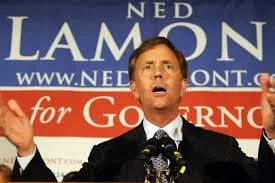
Greenwich's own has a novel idea: raise taxes, especially on Greenwich

What could go wrong? These geese aren’t leaving.

What could go wrong? These geese aren’t leaving.

Municipalities will now be saddled with 25% of teachers’ pension costs, sales tax expanded to anything that walks, talks or streams.

It takes a bit of effort (not much) to wade through Lamont’s verbiage, but here are some of his new income sources:

Goods and services will be taxed equally: Equal tax treatment levels the playing field and discourages the purchase of certain items in lieu of others. For example, it doesn’t make sense to apply the full sales tax to the purchase of a movie on a disc, but not the electronic downloading or streaming of the same film. Nor does it make sense to tax the materials you need to repair or renovate a home, but not on the architect, engineer, or contractor who do the work.

So sales tax on building services, and tax on your Netflix.

Governor Lamont is proposing a municipal cost-sharing plan under which each municipality or local board of education will be responsible for at least one-quarter (25 percent) of the normal pension cost paid on its behalf by the state. Those municipalities who have teacher salaries above the statewide median will be asked to pay a share equal to each percentage point they are above the median. To avoid further burdening struggling towns and cities, all distressed municipalities will contribute five percent of their associated normal cost.

Greenwich and a few other towns will pay 25% of their teachers’ pension costs, the rest of the state gets a pass.

(You can ignore the rest of the Governor’s spiel about state workers’ unions contributing towards reducing the deficit: they’ve already pronounced any such idea as dead on arrival.)

Add on Lamont’s fellow-Democrats’ plans to raise the income tax on “the tippy-top” of earners — that would be Greenwich residents— and a new 1% property tax, and we’re in for a rough ride (and don’t forget tolls and higher gasoline taxes.)

Spending cuts? hahahaha

Probably no need to rush on this one

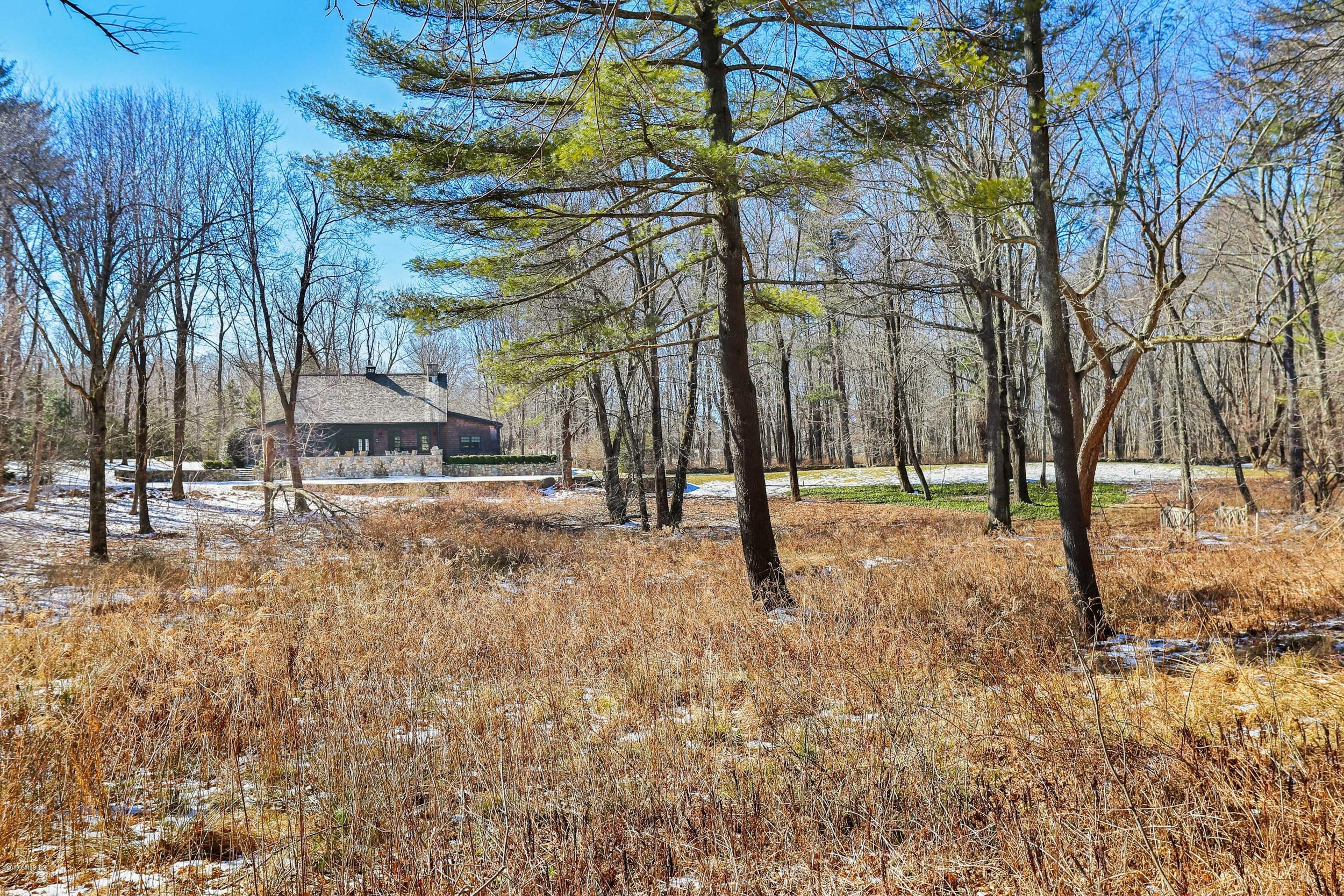
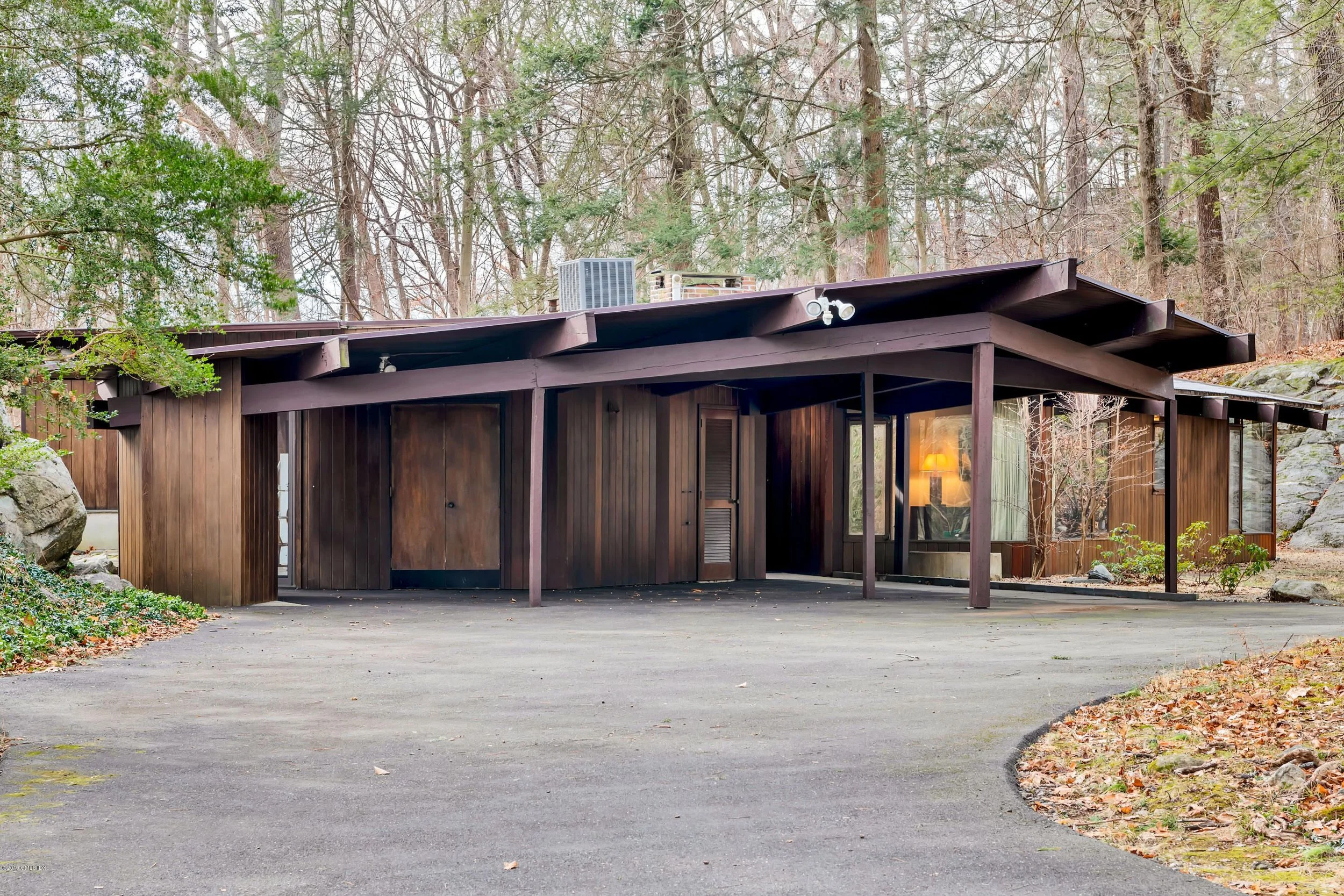
Hunting-Lodgey places have never been big sellers in Greenwich, and are definitely a drag on the market now

Hunting-Lodgey places have never been big sellers in Greenwich, and are definitely a drag on the market now

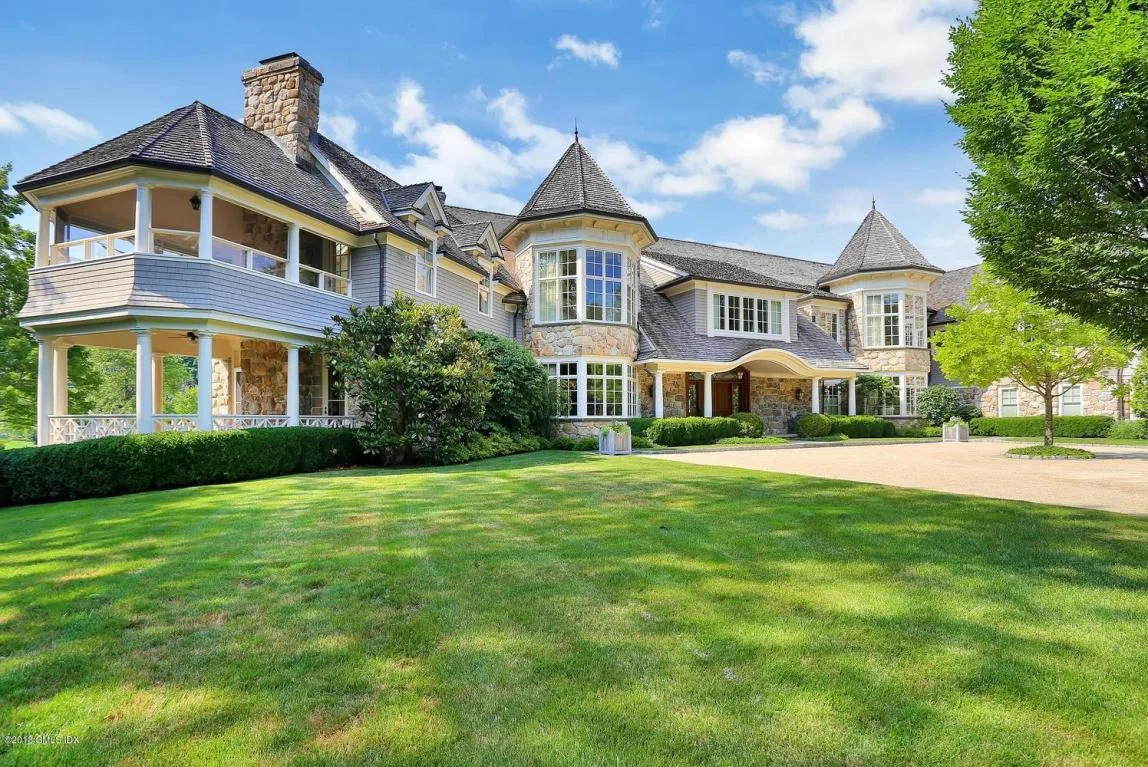
2 Conyers Farm is back as a “new” listing (new broker; otherwise unchanged) at $4.795 million. It’s comprised of a beautifully redone guest cottage and a 10-acre building lot, with wetlands, and that hasn’t proved to be a winning combination during the years this has been on the market.

The owners paid $5.350 for it in 2012 — more fools they — and have been trying to unload it since 2014, when they started at $6.995.

Ironically, I attended a Romney fund-raiser up at Conyers in 2012 (as an invited, free-loading guest, I assure you, not one of $10,000 donors), the year these people bought 2 Conyers, and dined at a small table with some delightful people, including Ari Fleisher and his wife, and a couple who were neighbors of our host. Conversation eventually evolved from politics to real estate, focusing on the decline of Conyers Farm values, and those neighbors told me that at least half the homes up there were “quietly for sale”. I believed them then, and I imagine that that figure has only increased in the years since.

My best guess is that it would require at least ten, probably fifteen million to buy this land, landscape it, and build a mansion. Who on earth would do that, when he could pick up someone else’s $10 million mistake for half that number?

And what good is a ten-acre lot anyway? The owner spends weekdays in the City, comes home in darkness, heads out to his Montana condominium on weekends, and doesn’t play polo. That “Man in Full”, Charles Croker’s 29,000 acre Georgia quail hunting plantation “Turpimtime” offered some useful space, but what does one do with ten acres in Greenwich, except to maintain it and never use it? Times, and tastes have changed.

Developer John Fareri paid $1.050 for this land in 1994, and that may be exactly where this property is heading, however slowly.

Perma-inventory?

Screen Shot 2019-02-19 at 5.48.38 PM.png

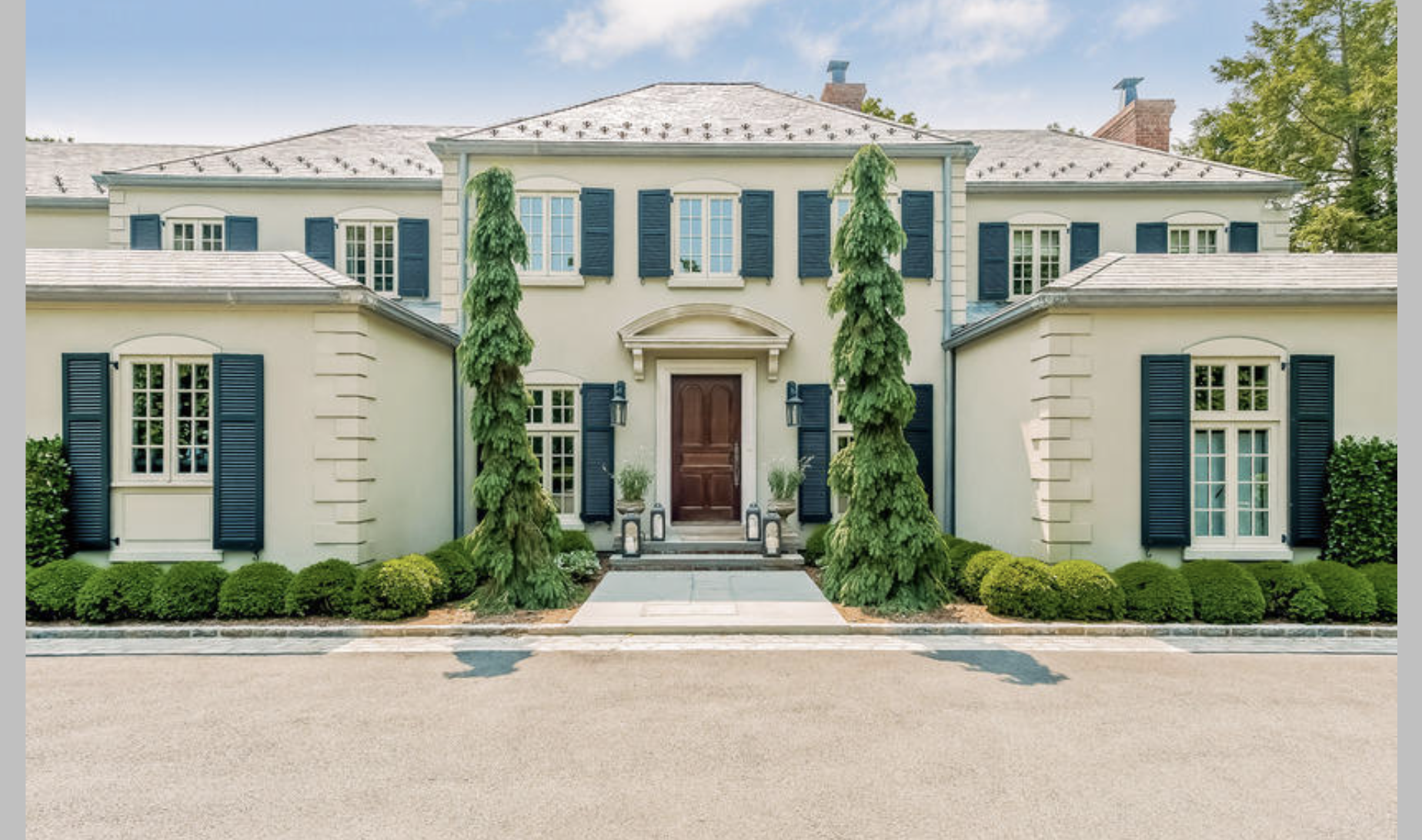
That’s how one FWIW reader describes certain houses, and though I’m not sure it applies to this house, 268 Round Hill Road has been kicking around for a while Today it dropped to $6.8 million, down from its 2014 opening ask of $10.5.

It sold for $6.4 in 2005, then $6 million in 2007, so the trend was beginning to be discernible, The agent responsible for listing it at $10.5 in 2014 described it as having undergone in 2008 “an exquisite and complete remodel, restoration, and renovation [and an addition]. No expense was spared”, and I believe it. For 1968. construction, this house is absolutely top quality, and it should be remembered that there were builders in Greenwich constructing fine homes back then — not many, perhaps, but this was clearly built by one of them.

All that said, the current owner’s costs sunk into renovating the house she purchased for $6 million fourteen years ago have surely been lost.

Still, nice house, and who knows? Maybe it’s a bargain now.

Old houses are still staying put

0ld mill.jpg

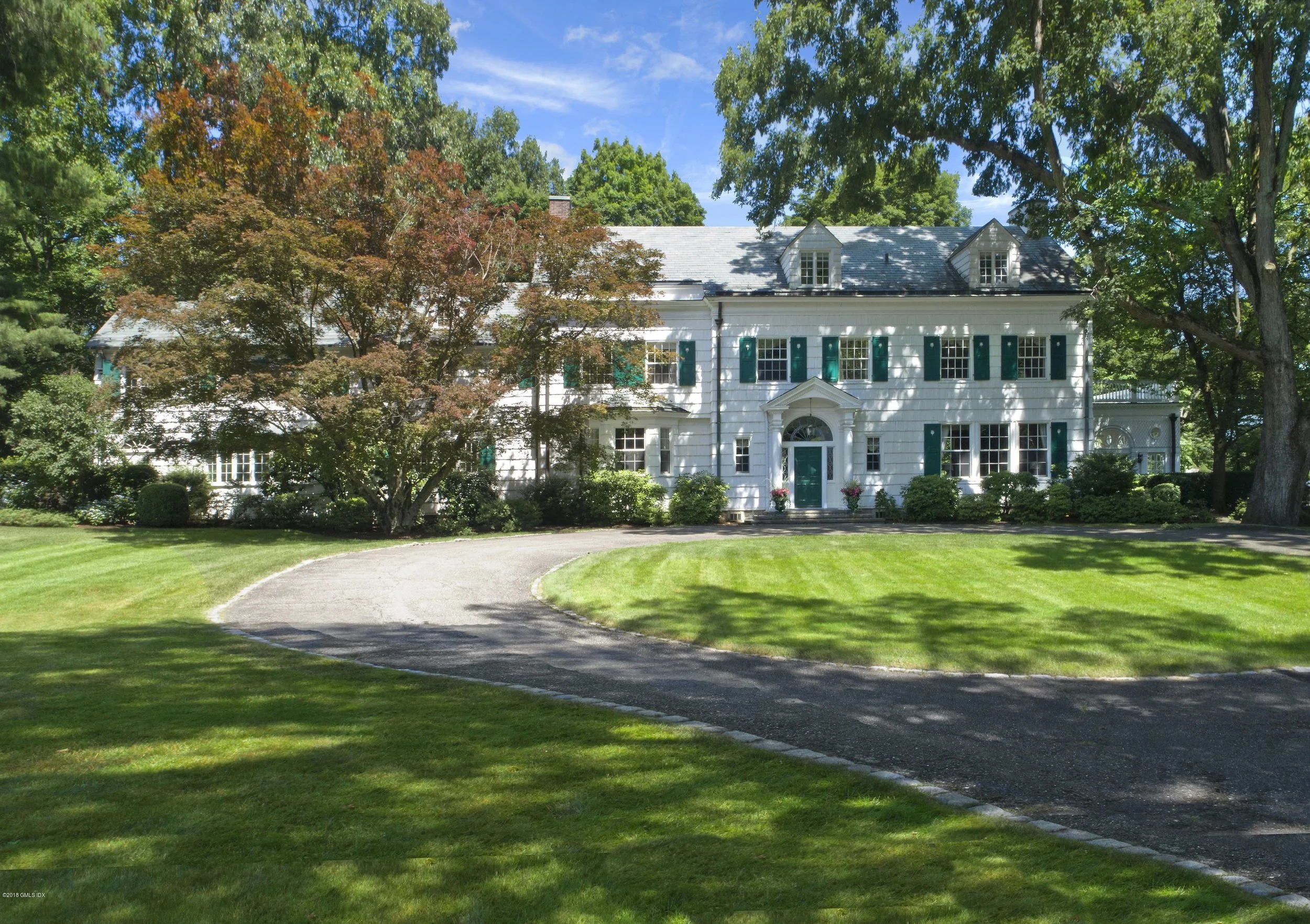
137 Old Mill Road has cut its price and as of today, can be yours for just $5.8 million. This 1929 house was last renovated in 1984, and shows it. Ogilvy ran the listing from 2014 until recently, and he valued at $11.5 million. That proved unduly optimistic; perhaps the current broker’s price will be closer to the mark, although I think it is still aspirational.

Charming house in every way, but the market is headed in another direction.

Are builders stirring?

valley.jpg

135 Valley Road (the Valley Road behind the Mercedes dealer, western Post Road), 3-lot subdivision, has a contract: asking price, $4.950 which, considering each lot will be just one acre, strikes me as a surprisingly high price, but perhaps there has been some considerable negotiation of that asking number.


29 Montgomery

29 Montgomery

29 Montgomery Road, off Stanwich, $1.1 million ask, contract in just 13 days. That’s quick.

I wish someone would send this OCA (but teach her reading comprehension, first)

THE LAST ONE OUT TURNED OFF THE LIGHTS

THE LAST ONE OUT TURNED OFF THE LIGHTS

Australia and its disastrous green energy plan.

In fact, I’ve been reading about the debacle for several months now, but it’s a lesson worth repeating. Maybe introduce it to GHS students? Nah, never happen.

FEBRUARY 19, 2019

UNEXPECTEDLY: Australia’s Obsession With Hopelessly Intermittent Wind & Solar Wrecking Entire Power Grid.

Australians once enjoyed affordable power, reliably delivered: the chaotic delivery of wind and solar changed all that. Australian power prices have rocketed out-of-control: its wind and solar power capital, South Australia pays the highest electricity prices, in the world.

Mass power cuts (aka load shedding and demand management) and mass blackouts are the new normal. And yet, the lunatics responsible are hell-bent on doubling down to deliver the final and fatal blow to Australia’s Eastern Grid (geographically, the largest interconnected power grid on the planet).

As Jo Nova explains, electricity generation and delivery is a finely balanced thing; and the sudden massive surges and collapses that are part and parcel of wind and solar generation are taking their toll, with much worse to come.

Ayn Rand didn’t write The Return of The Primitive as a how-to guide.

Charity for me, but not for thee

Our money is much too valuable to waste on lazy students

Our money is much too valuable to waste on lazy students

Non-profit spends its loot on salaries and parties, but that’s it.

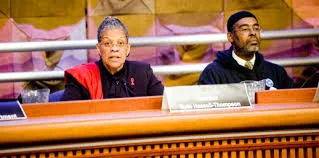
ALBANY — A nonprofit run by minority state lawmakers, which for at least two years failed to dole out scholarships to African-American and Hispanic youth, capped off its lavish “Caucus Weekend” Sunday with no mention of student grants.

The New York State Association of Black and Puerto Rican Legislators typically spends most of its contributions — more than $500,000 in fiscal year 2016-2017 — on three days of workshops, cocktails and its annual Scholarship Dinner Gala, federal filings show.

In the past two years, no money was given to students, according to tax records obtained by The Post.

The nonprofit’s board members — who include former Mayor David Dinkins, former state Comptroller Carl McCall and Brooklyn Assemblywoman Latrice Walker, its chair — have refused to comment on why the group has failed to provide funds to needy students.

The group’s longtime treasurer, Westchester Assemblyman Gary Pretlow, told dozens of conference delegates at a Sunday church service featuring Democratic Senate Majority Leader Andrea Stewart-Cousins and Assembly Speaker Carl Heastie that 90 percent of the nonprofit’s donations go to put on the annual event.

Pretlow then exhorted delegates “to reach deep into your pockets” to contribute as white-gloved ushers went up and down the aisles of the Wilborn Temple First Church of God with wicker baskets as a choir sang “Get on Your Knees and Pray.”

There was no mention of scholarships.

….. Founded in 1985 “to empower African-American and Latino youth . . . by providing opportunity to higher education,” the nonprofit has given out only a small percentage of its donations to students in the past.

To "take", or to "confiscate" acknowledges that one is seizing another's property. To "give" something implies that the gift is yours to begin with

Representative Josh Elliott, (. Hamden): “All your monies are belong to us”.

Representative Josh Elliott, (. Hamden): “All your monies are belong to us”.

“Progressives” to Lamont: “You simply can’t give money to rich people”

“We’re going to act as a block that says you can’t simply be giving money to rich people,” Rep. Josh Elliott, D-Hamden, a member of the caucus, said during a mid-day press conference at the Capitol.

Mr. Elliot and his Progressive Caucus must assume that all income, all assets of citizens belong to the state, and anything those citizens is allowed to keep is a gift from “the people”. As I recall, that’s the position of a hard communist.

As an aside, Greenwich already pays the highest income tax in the state: $20,282 per person. I suppose the sky’s the limit, for Elliot and his cohorts. For now, he’s proposing raising the top rate to 9%, from 7%, but that’s for now; surely they’ll be back soon, looking to further shrink their gift.